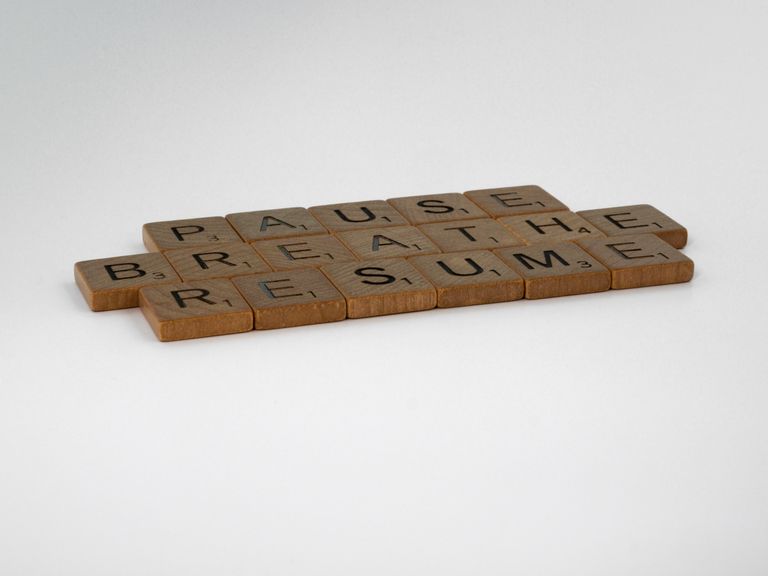

Breaking the Cycle of Negative Self-Talk: Learning to Be Kinder to Yourself
Have you ever caught yourself thinking, “I’m not good enough,” “I always mess this up,” or “I should be so much further along by now”? These thoughts have a way of sneaking up on us silently, especially during stressful or challenging moments. Over time, if we are not paying attention, that background noise starts to shape how we view ourselves, how we face challenges, and how we show up in our daily lives.
The good news? Negative self-talk is not set in stone, it is just a habit. And like any habit, once we learn to recognize it, we can challenge it and slowly build a more compassionate inner voice that actually supports us.
What Is Negative Self-Talk, Really?
At its core, negative self-talk is the internal narrative we run while evaluating ourselves, interpreting what happens to us, or worrying about what is coming next. It is full of criticism, doubt, and assumptions that things are bound to go wrong.
We have all heard versions of these in our heads:
- “I’m not capable of doing this.”
- “I always make mistakes.”
- “I should be further along in life by now.”
- “If I fail, what will everyone think of me?”
When we repeat these thoughts long enough, they become so familiar that we accept them as plain truth without ever stopping to ask if they are actually accurate or helpful.
Often, this self-criticism develops as an attempt to protect ourselves. We tell ourselves that being hard on our own performance will keep us motivated or prevent future mistakes. But in reality, constant self-criticism just increases our stress, wears down our confidence, and makes it harder to learn and grow.
Where Does It Come From?
Understanding why we talk to ourselves this way gives us the perspective we need to respond with more self-compassion. Negative self-talk usually has a history:
- Past Experiences: Critical feedback, past rejections, or feeling inadequate in earlier chapters leave lasting impressions on how we talk to ourselves today.
- Perfectionism: When we expect ourselves to handle everything flawlessly, even small missteps feel like major failures.
- Fear of Failure: Sometimes we criticize ourselves first just to beat everyone else to the punch, trying to protect ourselves from disappointment.
- Comparing Our Journey to Others: Looking at someone else’s progress, achievements, or timeline can leave us feeling like we are falling behind.
- Stress and Burnout: When we are exhausted or overwhelmed, it is much harder to maintain a balanced, healthy perspective.
Recognizing these triggers is not about placing blame. It is about gaining insight so we can start choosing a better response.
How It Impacts Our Well-Being
The way we speak to ourselves shapes our emotions, our decisions, and how we connect with others. When harsh inner dialogue becomes the norm, it often leads to:
- Lowered Self-Esteem: Constant criticism hides our true strengths and real accomplishments.
- Anxiety & Overthinking: Expecting the worst keeps our minds trapped in potential problems.
- Hesitation to Try New Things: Believing we will fail holds us back from pursuing meaningful opportunities.
- Difficulty Handling Mistakes: Setbacks start feeling like personal flaws rather than normal opportunities to learn.
Having uncomfortable thoughts from time to time is completely human. The goal is not to erase every single negative thought, but to make sure those thoughts do not define who we are or dictate our choices.
7 Practical Ways to Reframe Your Inner Dialogue
Shifting your self-talk takes patience, reflection, and consistent practice. You do not have to overhaul your mind overnight, just focus on small, intentional steps.
1. Notice Your Inner Dialogue
Awareness is always the first step. Pay attention to what you tell yourself when you make a mistake, face a new challenge, or start comparing yourself to others. Ask yourself: What am I telling myself right now? Is this a fair assessment, or am I judging my entire worth based on one moment?
2. Challenge the Thought
Not every thought that pops into your head reflects reality. Our minds love to jump to conclusions. Before accepting a negative thought as fact, ask: What evidence actually supports this? What would I say to a friend facing this exact same situation?
3. Shift to Balanced Language
You do not need to force fake optimism just aim for fairness and accuracy.
- Instead of: “I can’t do anything right,” try: “I made a mistake, but I can learn from it and move forward.”
- Instead of: “I should be further along,” try: “I am growing at my own pace, and I’m learning along the way.”
4. Practice Self-Compassion
Think about how patient and understanding you are with the people you care about. You deserve that exact same understanding. Give yourself permission to be human, to be in the process, and to make mistakes without turning them into a judgment on your character.
5. Pay Attention to Your Patterns & Triggers
Notice when your negative self-talk is loudest. Is it after a tough conversation? During times of uncertainty? Keeping a brief journal to write down the situation, the thought, and a more balanced perspective can reveal a lot about your habits.
6. Acknowledge Small Steps Forward
When we focus only on what we have not done yet, we miss how far we have already come. Take time to recognize small wins. Whether that is handling a tough situation calmly, trying again after a setback, or simply giving yourself grace.
7. Be Patient With the Process
Undoing years of automatic thinking takes time. Some days will feel easier than others, and that is completely okay. Growth is not about perfection, it is about becoming a little more aware, flexible, and compassionate toward yourself over time.
Realistic Thinking Over Forced Positivity
Changing your self-talk is not about repeating empty affirmations that do not feel true to you. If you are going through a tough season, telling yourself “everything is perfect” will not resonate.
Instead, aim for realistic, grounded thinking: “This situation is difficult right now, but I have the strength to navigate it one step at a time.” That honest balance acknowledges real challenges while still honoring your ability to handle them.
A Simple 5-Minute Daily Reflection
If you want a quick, practical way to practice each day, try writing through these steps:
- Identify the thought: What negative statement did you catch today?
- Name the feeling: Were you feeling anxious, frustrated, or overwhelmed?
- Examine the evidence: Does this thought show the full picture, or just one piece?
- Reframe it: Write a response that is realistic, fair, and encouraging.
- Take one small action: What is one constructive step you can take next?
You Don’t Have to Navigate Your Inner Critic
Learning to change negative self-talk takes time, patience, and practice. You may not be able to control every thought that enters your mind, but you can begin to change how you respond to those thoughts.
You deserve a relationship with yourself that leaves room for growth, understanding, and compassion. You can acknowledge your mistakes without defining yourself by them, recognize your challenges without losing sight of your strengths, and give yourself permission to be a work in progress.
If a persistent inner critic is affecting your confidence, relationships, or overall well-being, therapy can provide a supportive space to explore where these patterns began and develop healthier ways of relating to yourself.
You do not have to figure it all out at once. Sometimes, change begins with simply learning to speak to yourself a little differently.
Disclaimer: The information provided in this blog post by Noble Creek Path Counseling, PLLC is intended for general educational and informational purposes only and does not constitute mental health treatment, medical diagnosis, or professional clinical advice. Reading this content or interacting with this site does not establish a therapist-client relationship with Noble Creek Path Counseling, PLLC or any of its practitioners.
Noble Creek Path Counseling, PLLC provides therapy services in-person and online in Asheville, NC, as well as telehealth services to the Jacksonville, NC area. If you are seeking mental health support, please reach out directly to schedule a formal consultation.
- Crisis Note: This blog is not monitored for crisis response. If you or someone you know is experiencing a mental health emergency or severe emotional distress, please call or text 988 to reach the Suicide & Crisis Lifeline, call 911, or go to the nearest emergency room.