
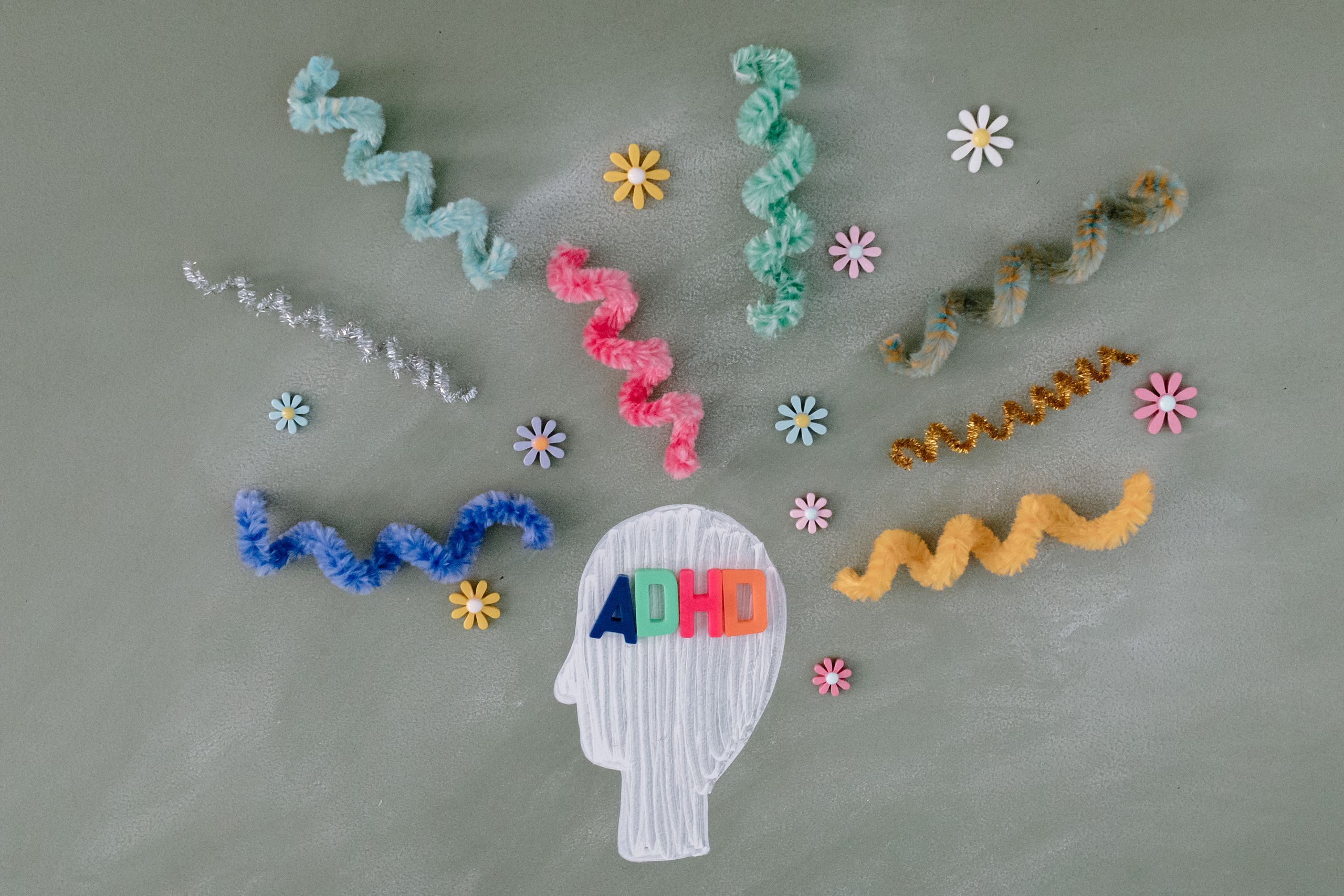
Anxiety or ADHD in Women? Understanding the Overlap, Signs, and Misdiagnosis
Have you ever felt like your mind has a hard time slowing down? Maybe you find yourself replaying conversations, thinking through everything that could go wrong, or struggling to keep up with the everyday tasks on your to-do list. You might feel overwhelmed by things that seem manageable for everyone else, leaving you wondering why everything takes so much effort.
Sometimes, these experiences are described as anxiety. Other times, they may be connected to difficulties with attention, organization, or managing daily responsibilities. And for many women, it can be difficult to know where one ends and the other begins.
Anxiety and ADHD can look similar in some ways, and it is possible to experience both. ADHD in women can also go unrecognized for years, especially when the struggles are happening internally rather than showing up in ways others can easily see.
Understanding the difference is not about finding another label for yourself. It is about making sense of your experiences, understanding what you may need, and finding support that feels helpful for where you are right now.
Why ADHD in Women Can Be Overlooked
When we think about ADHD, we often picture a child who has trouble sitting still or paying attention in class. But ADHD does not always look that way.
For some women, it may look more like daydreaming, losing track of time, forgetting appointments, struggling to get started on tasks, or feeling like there are too many thoughts competing for attention at once. You might know what needs to be done but have a hard time figuring out where to start or how to follow through.
These challenges are not always obvious to the people around us.
Many women learn to work around their difficulties in ways that can go unnoticed. You might spend extra time preparing for things, rely heavily on lists and reminders, or feel like you have to be especially organized to keep up with everyday responsibilities. Perfectionism can also become a way of trying to prevent mistakes or avoid disappointing others.
From the outside, it may look like you have everything under control. Internally, though, you may feel like you are working twice as hard just to keep up.
As responsibilities grow through adulthood, work, parenting, relationships, and other life changes, the strategies that once helped may become harder to maintain. When you do not understand why certain things feel so difficult, it is easy to become frustrated with yourself or assume you simply need to try harder.
But struggling with attention, organization, or follow-through does not automatically mean you are lazy or unmotivated. Sometimes, there is more to the story than what we can see on the surface.
How Anxiety and ADHD Can Feel Similar
Anxiety and ADHD are different, but they can share some experiences. Both may affect concentration, sleep, emotional regulation, and the ability to manage everyday responsibilities.
One way to begin exploring the difference is to notice what might be happening underneath the overwhelm.
When Anxiety Is Part of the Picture
With anxiety, your attention may be pulled toward worry, uncertainty, or the fear that something will go wrong.
You might spend a long time thinking about a conversation after it has ended, repeatedly check your work because you are afraid of making a mistake, or have trouble focusing because you are thinking about everything that still needs to be done.
Even when you have time to rest, your mind may continue running through possible problems or situations you feel you need to prepare for.
It can be exhausting to feel like you always need to be thinking one step ahead.
When ADHD May Be Part of the Picture
With ADHD, difficulties with attention, organization, time management, or getting started on tasks may still be present even when you are not feeling particularly anxious.
You might sit down with the intention of completing one thing, only to find yourself distracted by several other tasks. You may underestimate how long something will take, forget what you were doing halfway through, or feel overwhelmed trying to decide what needs your attention first.
Sometimes, the challenge is not that you do not care or that you are not trying. It is that directing and managing your attention consistently can be difficult.
ADHD is a neurodevelopmental condition, meaning symptoms begin in childhood, even if they were not recognized or diagnosed until adulthood.
When Anxiety and ADHD Occur Together
For many women, it is not a matter of choosing between anxiety and ADHD. Both may be contributing to what they are experiencing.
Think about what can happen when someone has struggled with time management or organization for years. Missed deadlines, forgotten responsibilities, or feeling constantly behind can create understandable worry about what might happen next.
Over time, anxiety may develop around the very things that have already been difficult to manage.
It can become a cycle of struggling to keep up, worrying about falling behind, putting more pressure on yourself, and feeling even more overwhelmed.
Recognizing that these experiences can overlap may help you approach yourself with a little more understanding and less judgment.
The Pressure to Keep Everything Together
One thing worth paying attention to is how much energy it takes to appear as though everything is fine.
Maybe you arrive early because you are afraid of being late. Maybe you spend hours preparing for something that others seem to manage with very little effort. Perhaps you put off resting because there is always something else you feel you should be doing.
For some women, being dependable, productive, and organized becomes closely tied to how they see themselves. They may feel uncomfortable asking for help or admitting that they are struggling because they believe they should be able to manage everything on their own.
These patterns can be difficult to recognize, especially when they have helped you succeed in certain areas of life.
But there is a difference between finding strategies that support you and feeling like you have to work constantly to keep everything from falling apart.
When so much energy goes into staying on top of things, there may be very little left for rest, relationships, or the parts of life that bring you joy.
You may find yourself feeling exhausted even when things appear to be going well.
It is worth asking yourself: Am I managing my responsibilities in a way that works for me, or am I constantly pushing myself because I am afraid of what might happen if I slow down?
That question alone may not provide an answer, but it can be a helpful place to begin.
Why Some Women Are Diagnosed Later in Life
Some women do not begin to question whether ADHD may be part of their experience until adulthood.
Growing up, they may have been described as quiet, responsible, sensitive, or a little distracted. They may have done well in school, met expectations, or learned to compensate for their difficulties without anyone realizing how much effort it required.
Because their struggles were not always disruptive to others, the possibility of ADHD may never have been considered.
Later in life, increasing responsibilities can make those challenges harder to work around. Managing a career, caring for children, maintaining relationships, and keeping up with everyday tasks can leave less time and energy for the coping strategies that once helped.
Some women seek support for anxiety, chronic stress, or feeling overwhelmed without realizing that difficulties with attention and executive functioning may also be part of the picture.
For others, it may take hearing someone describe their own experience with ADHD before they begin to recognize familiar patterns in themselves.
Coming to this understanding later in life can bring up a range of emotions. There may be relief in finally having an explanation for things that have felt difficult for so long. There may also be sadness, frustration, or questions about what life might have looked like if these struggles had been recognized earlier.
You can feel more than one thing at a time. Making sense of your past does not mean you have to have all the answers about your future.
What Does Moving Forward Look Like?
If you recognize yourself in some of these experiences, you do not have to figure everything out on your own.
Understanding whether anxiety, ADHD, or a combination of both may be contributing to your difficulties takes more than looking at a list of symptoms. A mental health professional can help explore your history, current concerns, childhood experiences, and the ways these patterns affect your daily life. A comprehensive ADHD evaluation will also involve a psychological provider. Support will look different for everyone, but it may include:
- For anxiety: Therapy can help you better understand patterns of worry, work through fear and uncertainty, and develop ways to respond to stressful situations.
- For ADHD: Support may include learning about executive functioning, finding practical strategies for organization and time management, and exploring medication options with a qualified prescriber when appropriate.
- When both are present: Treatment can address the ways anxiety and ADHD affect one another, rather than focusing on only one part of your experience.
It is also important to remember that learning new strategies does not mean you have to become a completely different person. It means understanding what works for you, recognizing where you need support, and letting go of expectations that have only left you feeling more overwhelmed.
You do not have to earn rest by finishing everything on your list. You do not have to prove that you are struggling enough to deserve help.
And you do not have to keep blaming yourself for things you are still trying to understand.
Giving Yourself Room to Understand Your Experience
If you have spent years wondering why certain parts of daily life seem to require so much effort, it may be helpful to approach those questions with curiosity rather than criticism.
You may not have a clear answer right away, and that is okay. The goal is not to figure everything out overnight. It is to begin understanding your experiences in a way that allows you to move forward with more clarity and self-compassion.
Sometimes, what looks like a lack of motivation is more complicated than it seems. Sometimes, the anxiety we experience is connected to years of trying to keep up. And sometimes, we need support in understanding how different parts of our mental health fit together.
At Noble Creek Path Counseling, we believe that understanding yourself is an important part of finding a path forward. Therapy offers a space to explore what you have been experiencing, work through the patterns that may be affecting your daily life, and develop a better understanding of what support might look like for you.
If you have been feeling overwhelmed, struggling with anxiety, or wondering whether ADHD may be part of your experience, we invite you to reach out to Noble Creek Path Counseling. You do not need to have everything figured out before taking that first step. We can begin by exploring what has been feeling difficult and what may help you feel more supported moving forward.
You deserve support that considers the whole picture, not just the parts of yourself you feel you need to fix.
Disclaimer
The information provided in this article is intended for educational and informational purposes only and is not a substitute for professional mental health advice, diagnosis, or treatment. Although anxiety and ADHD can share similar symptoms, individual experiences vary, and the information presented here should not be used to self-diagnose or diagnose others.
If you have concerns about anxiety, ADHD, or your mental health, consider consulting a qualified mental health professional or healthcare provider for an individualized assessment and recommendations. Do not disregard professional advice or delay seeking care because of information you have read on this website.
Reading this article or accessing the Noble Creek Path Counseling website does not establish a therapist-client relationship. If you are experiencing a mental health emergency, contact emergency services or go to your nearest emergency department.
Noble Creek Path Counseling strives to provide accurate, helpful information; however, this content is not a substitute for individualized clinical care.