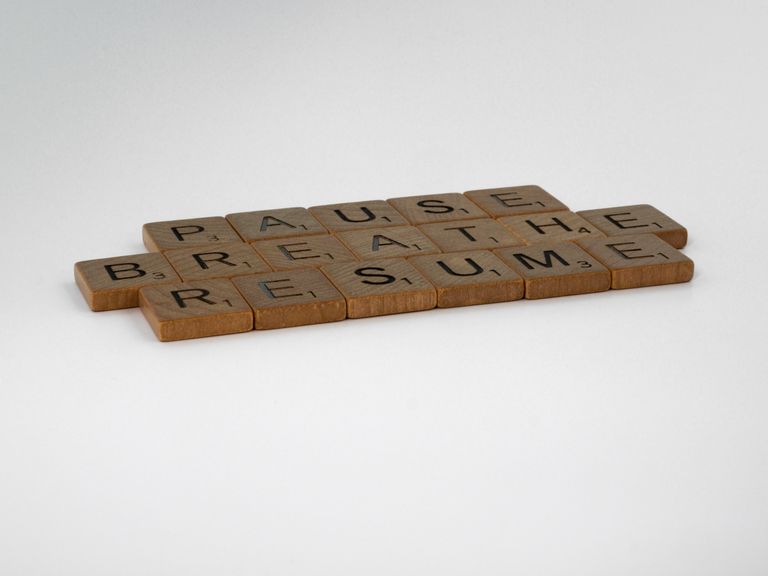

Back-to-School Anxiety for Children, Teens, and Parents
Back-to-school season can bring a mix of emotions for the whole family. New teachers, new classmates, changing routines, academic expectations, and busy schedules can create excitement, but they can also bring worry, uncertainty, and stress.
At Noble Creek Path Counseling, we recognize that back-to-school anxiety can affect children, teenagers, and parents in different ways. While some nervousness is a normal part of adjusting to a new school year, anxiety can sometimes become overwhelming or begin interfering with daily life.
The good news is that families do not have to navigate these challenges alone. With understanding, practical coping strategies, and appropriate support, the transition back to school can become more manageable.
What Does Back-to-School Anxiety Look Like?

Children and teens do not always tell adults, “I am feeling anxious.” Instead, anxiety may appear through emotions, behaviors, or physical symptoms.
You might notice:
- Stomachaches, headaches, nausea, or other physical complaints before school
- Trouble falling asleep or staying asleep
- Irritability, tearfulness, or emotional outbursts
- Difficulty separating from parents or caregivers
- Frequent requests for reassurance
- Worry about grades, homework, teachers, or making mistakes
- Concerns about friendships, fitting in, or being judged
- Avoiding school-related conversations or activities
- Difficulty concentrating
- Changes in appetite or energy
- Asking or insisting on staying home from school
For teenagers, anxiety may be less obvious. A teen may withdraw, become unusually irritable, procrastinate, struggle with perfectionism, or appear unmotivated when they are actually feeling overwhelmed.
Why Is Going Back to School So Stressful?

School involves many things children and teens cannot completely predict or control.
A younger child may worry about being away from a parent, finding the bathroom, remembering classroom rules, or making friends. Middle and high school students may be thinking about changing friendships, navigating multiple classes, grades, sports, extracurricular activities, social media, appearance, relationships, or their future.
Even students who enjoy school can experience anxiety during the transition.
When children say they are nervous, parents may naturally want to reassure them by saying, “There is nothing to worry about.” A more helpful response can be acknowledging the feeling while expressing confidence in their ability to cope.
For example:
“It makes sense that you are nervous about meeting your new teacher. New situations can feel uncomfortable. Let’s think about what might help you feel more prepared.”
The message becomes: Your feelings are real, and you can handle them.
Supporting Teens Through Back-to-School Stress

Teenagers face a different set of pressures.
Academic performance, friendships, sports, extracurricular activities, dating, college plans, jobs, and expectations about the future can pile up quickly. Teens may also compare themselves with peers—particularly through social media—making ordinary struggles feel like personal failures.
Parents can help by remaining curious rather than immediately trying to solve the problem.
Instead of asking only, “How was school?” try questions such as:
“What was the easiest part of today?”
“Was anything harder than you expected?”
“What are you looking forward to this week?”
“Do you want me to listen, help you problem-solve, or give you some space?”
Giving teenagers appropriate independence while remaining emotionally available communicates an important message: You don’t have to figure everything out by yourself.
Parents Experience Back-to-School Anxiety, Too

Parents and caregivers may have their own worries about the school year.
Will my child make friends? Will they be safe? Will they keep up academically? What if they are bullied? Will their teacher understand them? How will we manage homework, practices, appointments, meals, transportation, and work?
Those concerns can be understandable. However, children often notice how the adults around them respond to uncertainty.
Parents do not need to pretend they are never stressed. Instead, they can model healthy ways of managing it: slowing down, asking for help, planning ahead, maintaining perspective, and tolerating situations they can not completely control.
Be Careful When Anxiety Leads to Avoidance

Avoiding something that causes anxiety can provide immediate relief. Over time, however, repeated avoidance may make the feared situation feel even more difficult.
When appropriate, supporting a child in gradually facing an anxiety-provoking situation can help build confidence.
The goal is not to force a distressed child through every situation or ignore legitimate concerns. Bullying, learning difficulties, unsafe situations, and other problems require appropriate attention and intervention.
The goal is to distinguish between a problem that needs to be addressed and anxiety that is telling a child, “I can’t handle this.”
With support, children can begin learning, “This feels uncomfortable, but I can take the next step.”
Create Space to Decompress

The transition back to school can be exhausting.
After spending all day listening, learning, socializing, following directions, and managing emotions, children and teens may need time to decompress before immediately discussing homework or responsibilities.
Depending on the child, that might mean having a snack, spending time outside, listening to music, exercising, playing, talking, or simply having some quiet time.
Building breathing room into the family’s routine can help everyone adjust.
When Is It Time to Consider Counseling?

Some back-to-school anxiety settles naturally once students become familiar with their schedules and routines. Other times, anxiety continues or becomes more disruptive.
Professional support may be worth considering when anxiety is persistent or significantly affecting a child’s or teen’s ability to function at home, at school, socially, or emotionally.
Signs that additional support may be helpful include frequent school refusal, intense worry, panic symptoms, recurring physical complaints, ongoing sleep problems, significant changes in mood or behavior, social withdrawal, or anxiety that repeatedly prevents a young person from participating in everyday activities.
Counseling can provide children and teens with a supportive environment to better understand their emotions, recognize patterns of anxious thinking, strengthen coping skills, improve communication, and develop greater confidence in navigating difficult situations.
Parents can also benefit from guidance on how to support their child without unintentionally reinforcing anxiety.
Finding a Path Forward

A successful school year does not require children—or their parents—to feel completely calm all the time.
A child can feel nervous and still walk into the classroom.
A teenager can feel uncertain and still ask for help.
A parent can worry and still communicate confidence.
At Noble Creek Path Counseling, we believe meaningful change often happens one manageable step at a time. If back-to-school anxiety is making this transition especially difficult for your child, teen, or family, counseling may provide additional support and practical tools for moving forward.
Noble Creek Path Counseling is here to support children, teens, parents, and families as they navigate anxiety, transitions, and the challenges that come with growing and changing. Contact us to learn more about counseling services or to explore whether counseling may be a good fit for your family.